
Why Volunteering Still Matters
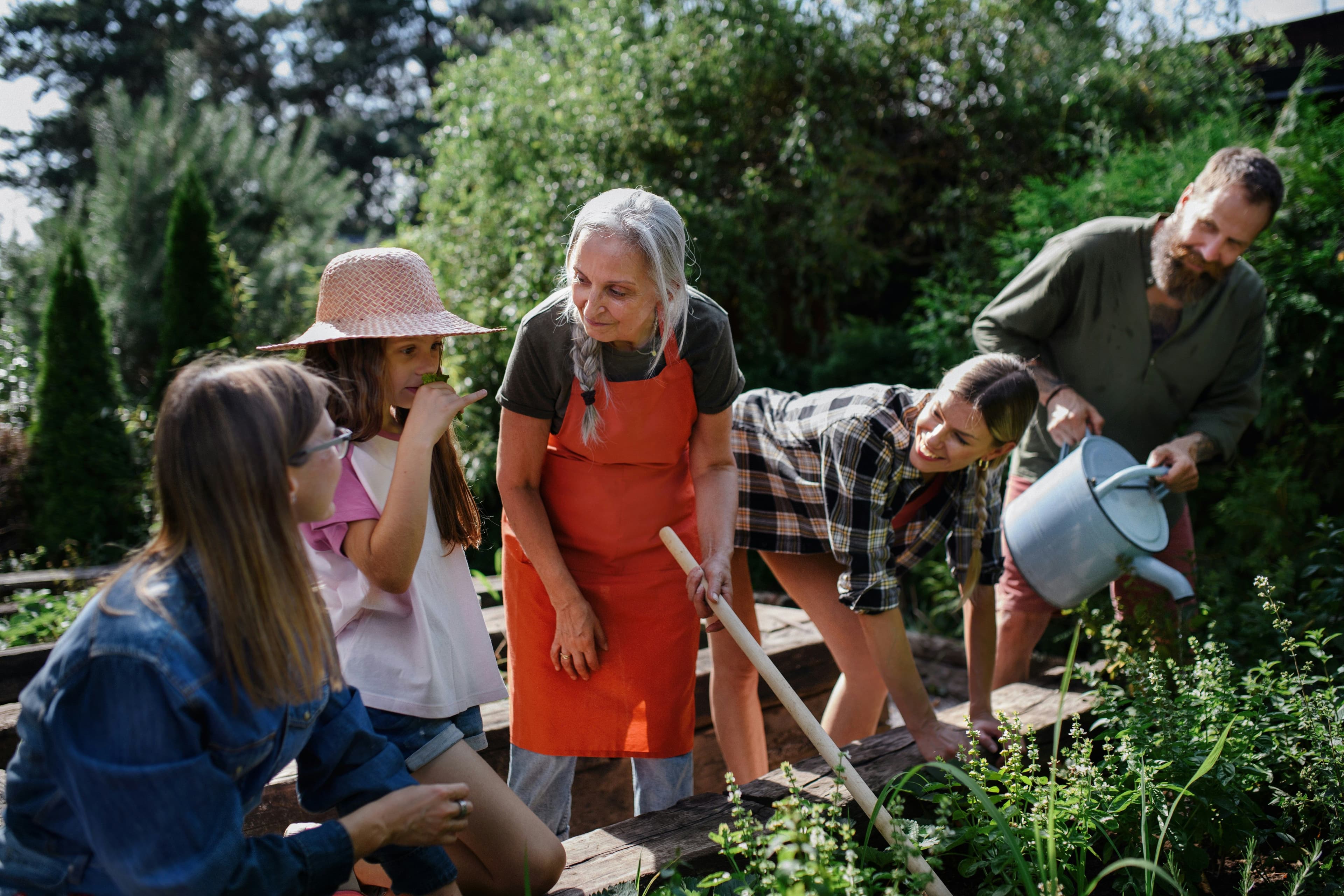
Volunteering Doesn’t Always Start With a Big Plan
Sometimes it starts with a feeling. A sense that something’s missing. A desire to feel useful. A quiet pull to step outside your own bubble and do something that matters.
Yet despite the well-known benefits of volunteering for our mental health, our sense of belonging, and our communities, participation in volunteering across the UK has been declining. According to the Community Life Survey 2023/24, 16% of adults in England had taken part in formal volunteering at least once a month in the previous 12 months, down from 27% in 2013/14. That decline comes at a time when many of us need connection more than ever.
So what’s getting in the way, and what might help us find our way back?
How Volunteering Makes Us Feel
People who volunteer often describe feeling more connected, more confident, more grounded, and more purposeful.
Research from organisations including the Office for National Statistics and the Mental Health Foundation consistently shows that volunteering is linked to improved wellbeing, reduced loneliness, and a stronger sense of purpose, particularly during periods of life change. And those transitions are everywhere:
- Separated parents rebuilding routines
- Empty nesters rediscovering time
- Widowers and widows adjusting to quieter lives
- Teenagers searching for meaning and belonging
- People working from home, spending more time alone than ever before
For some, volunteering becomes more than a feel-good activity. It’s a way to meet people naturally, through shared values and purpose. In a world of swipe culture, connection built around doing something meaningful can feel refreshingly different, something we explore more in our piece on the shift to dating in real life. Volunteering offers something rare: purpose without pressure. A way to contribute without needing to “achieve” anything at all.
Time is Tight, but Where is it Really Going?
The cost-of-living crisis has changed how people think about time and energy. Many are working longer hours, juggling more responsibilities, or simply feeling stretched. At the same time, the average UK adult spends several hours a day on their phone, scrolling, tapping, and consuming. It’s not a judgement. It’s just reality.
What if even a small fraction of that time could be redirected into something local, human, and meaningful? Not a lifetime commitment. Not every weekend. Just an hour here, or an afternoon there.
Volunteering Doesn’t Have to Look Like Everything or Nothing
When people think of volunteering, they often picture heroic levels of commitment. Organisations like St John Ambulance or the RNLI are rightly celebrated as champions of community service. But that level of responsibility simply isn’t feasible for everyone, and it doesn’t have to be. Volunteering can also mean:
- Helping at a one-off community event
- Joining a beach or park clean-up
- Supporting a local charity shop for a few hours a month
- Setting up chairs at a coffee morning
- Walking with someone who doesn’t want to walk alone
Volunteering is Changing…and Getting Younger
Recent research shows a shift in volunteering from older to younger age groups over the past decade. Younger people are more likely to volunteer informally, around specific causes they care deeply about, and in flexible, time-bound ways that fit around the realities of modern life. This signals something important. People do want to give back, but on terms that work for them.
The challenge isn’t motivation. It’s accessibility.
Making volunteering easier to find - and easier to fit in
One of the biggest barriers to volunteering isn’t willingness. It’s visibility. Opportunities are scattered across noticeboards, Facebook groups, word of mouth, and outdated websites. Many people simply don’t know what’s happening nearby, or assume it’s not “for them”.
In recent years, government departments have increasingly recognised the importance of volunteering, particularly in relation to wellbeing, social cohesion, and reducing loneliness. There’s a growing focus on data, measurement, and understanding who volunteers and why.
But recognition doesn’t always translate into meaningful support on the ground. Much of the responsibility for enabling volunteering continues to sit with local councils and community organisations, many of which are already overstretched and navigating long-term funding pressures.
People need clear and local opportunities, flexible ways to get involved, and a sense that they belong before they commit.
In practice, this means the real work of sustaining volunteering often falls to grassroots groups and individuals themselves. The people who organise the litter picks, the coffee mornings, the support groups, often with limited visibility, resource, or infrastructure.
And perhaps that’s where the real strength lies. Not in top-down programmes, but in people choosing to show up for one another, locally and quietly. Because community isn’t built by policy alone. It’s built by participation.
Where Gather Comes In
At Gather, we’re building something simple - but powerful. We want to help people:
- Discover local volunteering opportunities they didn’t know existed
- Find ways to give back that fit their lives, not disrupt them
- Feel confident taking a first step, even if it’s a small one.
Just as importantly, we want to engage those who’ve never thought of themselves as volunteers at all, but already care deeply about their communities.
Opening the Door to Community
With more people working from home since COVID, many of us spend long stretches indoors, alone, and disconnected from the places and people around us. Volunteering offers one of the simplest ways to shift that. It invites us to step outside, meet people nearby, and become part of something shared, without needing to overhaul our lives or take on more than we can manage.
Communities don’t thrive because of apps, policies, or data. They thrive because people choose to care. Volunteering is one of the quietest and most powerful ways we do that. And if we can make it easier, more visible, and more human, perhaps more of us will realise we were never “too busy”. We just needed the right invitation.
Explore volunteering opportunities & community help
Start a volunteering gathering
Research
Volunteering is repeatedly cited as a low-cost, high-impact way to rebuild social connection at a local level, especially when opportunities are easy to find and flexible.
- The Office for National Statistics reports that people who volunteer regularly tend to report higher life satisfaction, happiness, and a stronger sense of worth than those who do not.
- Research from the Centre for Ageing Better highlights that volunteering is most powerful when it’s accessible, flexible, and rooted in real social connection, especially for people navigating change in their lives.
- The Mental Health Foundation identifies volunteering as a protective factor for mental health, helping people feel connected, purposeful, and supported through routine and contribution.
- Research referenced by the Department for Digital, Culture, Media and Sport shows that volunteering can help reduce loneliness by expanding social networks, creating regular social interaction, and encouraging people to connect beyond existing friendship circles.
- ONS wellbeing data shows that people who volunteer are less likely to report feeling lonely often or always, particularly when volunteering is local and community-based.
- The NHS has indicated that since COVID, national health and wellbeing data consistently points to rising loneliness, falling wellbeing, and fewer everyday social interactions, making local connection more important than ever.