
Why Local Groups and Clubs Are Disappearing
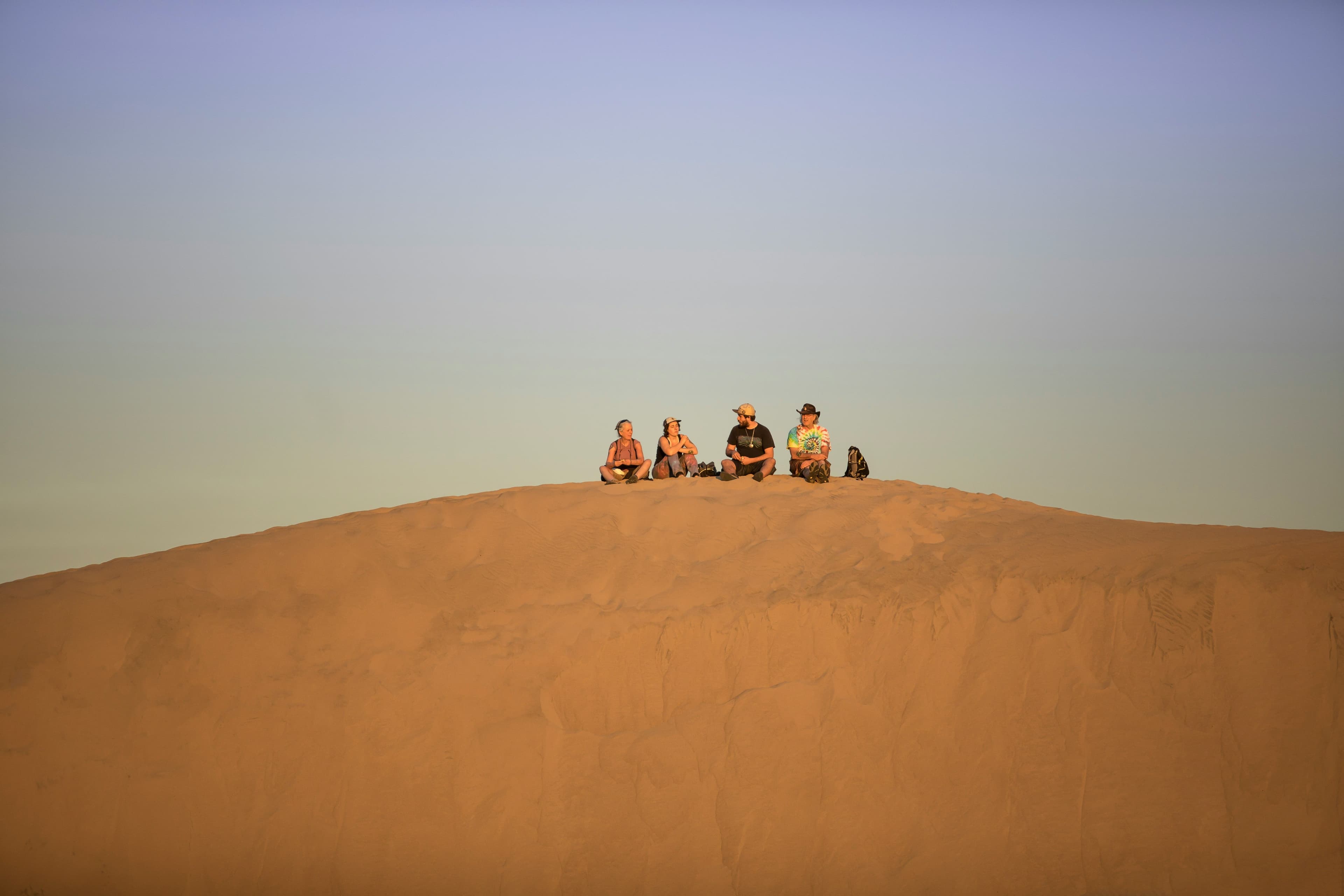
Many people say they want more connection in their lives. They want community. They want to belong. They just don’t know where to go.
Why Local Groups and Clubs Are Disappearing, Despite a Growing Need for Connection
Something quiet is happening across the UK. Not a collapse, not a single crisis you can point to, but a steady thinning out. Fewer clubs meeting at the weekends. Fewer volunteers willing to take on the admin. Fewer places where you can turn up without an invitation and feel like you belong.
Membership of real-world groups, whether social, recreational, political, or voluntary, has been declining for years. Formal volunteering has fallen to its lowest recorded levels, and many membership-based clubs that once formed the backbone of local life are closing quietly, often without replacement. These losses rarely make the news. They just leave gaps.
This isn’t about sentimentality or trying to recreate a past that no longer fits. It’s about being honest about what’s been lost, and deliberate about how we fill those gaps in ways that work now.
Communities Haven’t Stopped Wanting Connection
There’s a lazy explanation for all this. That people are more individualistic now. Too busy. Too online. Too self-interested to commit to anything regular. But the evidence doesn’t support that story.
In 2023 and 2024, participation in physical activity reached record highs, driven not by traditional clubs but by informal, accessible activities. Walking groups, casual fitness meet-ups, and social exercise all saw strong growth. When opportunities are simple, regular, and low-pressure, people show up.
The same pattern appears elsewhere, too. Community cafés continue to thrive, particularly when they are informal, welcoming, and easy to drop into. Parkruns are consistently gaining popularity not because they demand commitment, but because they offer a simple, repeatable way to belong. These spaces work because they remove barriers. No membership forms. No obligation to stay. No pressure to perform. When gathering fits easily around real lives, people still show up.
We see this even more clearly in times of crisis. Mutual aid groups emerge quickly when there is a clear, shared purpose. Food to deliver. Neighbours to check on. Problems that cannot be solved alone. In these moments, people do not retreat into isolation. They organise. What looks like social withdrawal in everyday life is often not a lack of care, but a lack of structures that make participation feel possible.
So the issue isn’t motivation. The intention–action gap plays a role, but it doesn’t explain the full picture.
What really gets in the way is friction.
The Appetite Is Still There, But the Infrastructure Isn’t
For decades, local groups did a huge amount of invisible work. They provided structure, continuity, and social permission. You didn’t have to invent belonging from scratch. You just turned up.
Over time, that infrastructure has eroded. Running a group now often means navigating rising venue costs, complex safeguarding requirements, insurance, data protection, grant applications, risk assessments, and an ever-shrinking pool of volunteers. What used to be shared work has become concentrated in the hands of a few committed individuals.
When momentum dips, or when volunteers burn out, groups stall. And when they close, they rarely come back.
This matters because groups do more than deliver activities. Research on social capital consistently shows that informal, repeated social contact builds trust, resilience, and well-being. These aren’t abstract benefits. Areas with higher levels of social participation tend to report better mental health outcomes, stronger local identity, and greater civic engagement.
In simple terms, when groups disappear, loneliness rises, and opportunity shrinks.
The Disconnect Between Wanting Connection and Finding It
Here’s the contradiction at the heart of it. Many people say they want more connection in their lives. They want community. They want to belong. They just don’t know where to go.
People aren’t opting out. Participation has become harder, not because they care less, but because most modern tools prioritise digital connection over the practical work of bringing people together in person.
As a result, everyday participation comes with friction. People are unsure what exists locally, turning up alone can feel daunting, and trying something often requires commitment upfront or carries the fear of becoming a long-term responsibility.
When access to gatherings feels unclear, socially risky, or administratively heavy, people stay home. Not because they don’t care, but because the cost of trying feels too high.
Accessibility Shapes Who Gets to Belong
When information is inconsistent, expectations are unclear, or there is no obvious host, gatherings begin to self-select. Many quietly filter out the very people who might benefit most. With loneliness continuing to rise across the UK, that matters.
Another part of the problem is discovery. Opportunities are scattered across noticeboards, WhatsApp groups, Facebook pages, ticketing platforms, and word of mouth. That works for insiders, but it remains largely invisible to newcomers, people who have recently moved, or anyone outside established social circles.
For someone looking to take part, this fragmentation creates hesitation. Unclear access and an uncertain welcome can make the effort outweigh the promise of the gathering itself.
People don’t need convincing that connection matters. They need conditions that make participation and belonging possible.
What Needs to Change to Rebuild Local Life
If we’re serious about rebuilding local life, we need to change the structures around participation.
We need to lower the barrier to starting something small, so ideas don’t die before they begin. We need to make local gatherings easier to discover, so connection isn’t limited to those already in the know. We need to support hosts properly, rather than relying on a handful of heroic organisers who eventually burn out. And we need to design social spaces for people who arrive alone, not just those who already feel confident and connected.
We also need to recognise that informal, social participation matters just as much as formal membership or volunteering. Often, that’s where belonging actually begins.
The decline of local groups isn’t a fixed outcome. It’s the result of systems that no longer fit how people live. And systems can be redesigned to make connection easier to start, easier to find, and easier to sustain. That belief sits at the heart of Gather.